
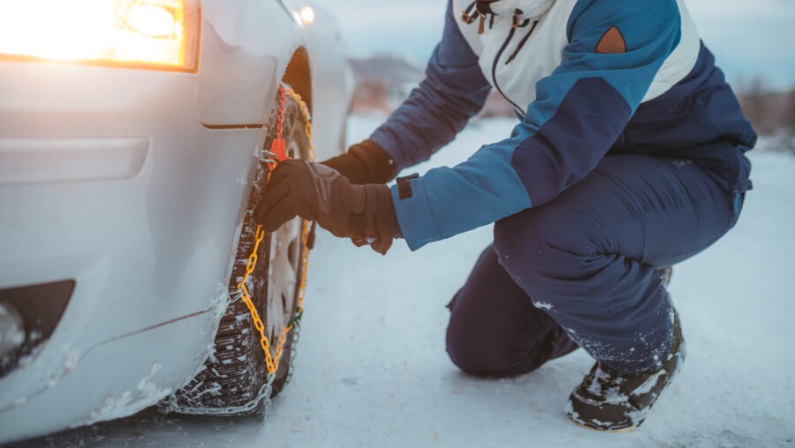
Winter driving demands more than confidence behind the wheel. Cold temperatures, reduced visibility, and unpredictable road conditions can quickly turn a routine commute into a hazardous situation. Preparing your vehicle and adjusting your driving habits are critical steps to staying safe throughout the season.
Below is a practical, no-nonsense guide to help you prepare effectively for winter roads.
Why Winter Driving Preparation Matters
Cold weather affects both vehicles and drivers. Snow and ice reduce traction, batteries lose efficiency, tire pressure drops, and visibility becomes limited. Without proper preparation, minor issues can escalate into breakdowns or accidents.
Being proactive significantly lowers the risk of:
-
Skidding and loss of control
-
Dead batteries
-
Poor braking performance
-
Engine starting failures
-
Being stranded in extreme cold
Preparation is not optional—it’s preventive safety.
1. Inspect and Prepare Your Tires
Tires are your vehicle’s only contact with the road. In winter, traction becomes critical.
Switch to Winter Tires
Winter tires are designed with deeper tread patterns and rubber compounds that remain flexible in low temperatures. They provide better grip on snow and ice than all-season tires.
Consider installing winter tires when temperatures consistently drop below 7°C (45°F).
Check Tire Pressure Regularly
Cold air causes tire pressure to drop. Underinflated tires reduce handling and increase stopping distance.
-
Check pressure at least once a month
-
Follow manufacturer-recommended PSI
-
Inspect tread depth for adequate grip
2. Test Your Battery and Electrical System
Car batteries lose strength in cold weather. A weak battery in summer can fail entirely in winter.
What to Do:
-
Test battery voltage before winter begins
-
Replace batteries older than 3–5 years
-
Clean corrosion from terminals
-
Keep jumper cables in your vehicle
If your engine cranks slowly, have the battery checked immediately.
3. Check Fluids and Antifreeze Levels
Cold temperatures thicken fluids and strain engine components.
Essential Fluids to Inspect:
-
Engine oil (consider winter-grade oil if recommended)
-
Coolant/antifreeze (correct freeze protection level)
-
Windshield washer fluid (use winter formula)
-
Brake fluid
Never dilute antifreeze improperly. The correct mixture prevents engine freezing and overheating.
4. Replace Wiper Blades and Improve Visibility
Reduced visibility is one of winter’s biggest hazards.
Improve Your Vision:
-
Install winter wiper blades
-
Keep an ice scraper and snow brush in your car
-
Clear snow from all windows, mirrors, headlights, and roof
-
Check that defrosters function properly
Driving with snow on your roof can cause it to slide forward during braking and block visibility.
5. Prepare an Emergency Kit
Even with preparation, winter conditions can change rapidly. An emergency kit can be lifesaving.
Recommended Items:
-
Blanket and warm clothing
-
Flashlight with spare batteries
-
First-aid kit
-
Non-perishable snacks and water
-
Ice scraper and shovel
-
Sand or cat litter for traction
-
Phone charger or power bank
If stranded, remain in your vehicle and conserve heat while awaiting assistance.
6. Adjust Your Driving Habits
Preparation extends beyond vehicle maintenance.
Safe Winter Driving Practices:
-
Reduce speed on snow-covered or icy roads
-
Increase following distance (at least 6–8 seconds behind)
-
Avoid sudden braking or sharp steering
-
Use gentle acceleration
-
Understand how your vehicle handles skids
If you begin to skid, steer gently in the direction you want the front of the car to go. Avoid slamming on the brakes.
7. Monitor Weather and Plan Ahead
Check forecasts before long trips. Avoid unnecessary travel during severe storms.
Allow extra travel time and inform someone of your route when driving in remote areas. A fully charged phone and updated navigation system can prevent confusion during poor visibility.
Common Winter Driving Mistakes to Avoid
-
Driving on worn tires
-
Ignoring low fuel levels (keep tank at least half full)
-
Using cruise control on slippery roads
-
Clearing only a small patch of windshield
-
Following other vehicles too closely
Awareness reduces preventable risk.
Frequently Asked Questions (FAQ)
1. How often should I warm up my car in winter?
Modern vehicles do not require long idling. Start the engine and allow 30–60 seconds before driving gently to warm components gradually.
2. Is four-wheel drive enough for winter safety?
Four-wheel drive improves traction during acceleration but does not improve braking distance. Winter tires are still essential.
3. How can I prevent my doors from freezing shut?
Apply silicone-based lubricant to door seals and keep moisture away from rubber edges.
4. What should I do if my windshield washer fluid freezes?
Use winter-grade washer fluid rated for sub-zero temperatures. Do not dilute it with water during winter.
5. When is it too dangerous to drive in winter conditions?
If visibility is near zero, roads are untreated, or authorities issue travel warnings, it is safest to postpone travel.
6. How do I know if my antifreeze is strong enough?
A service technician can test coolant strength using a hydrometer or refractometer to verify freeze protection.
7. Should I reduce tire pressure for better traction on snow?
No. Lowering tire pressure reduces control and can damage tires. Always maintain manufacturer-recommended pressure levels.
