
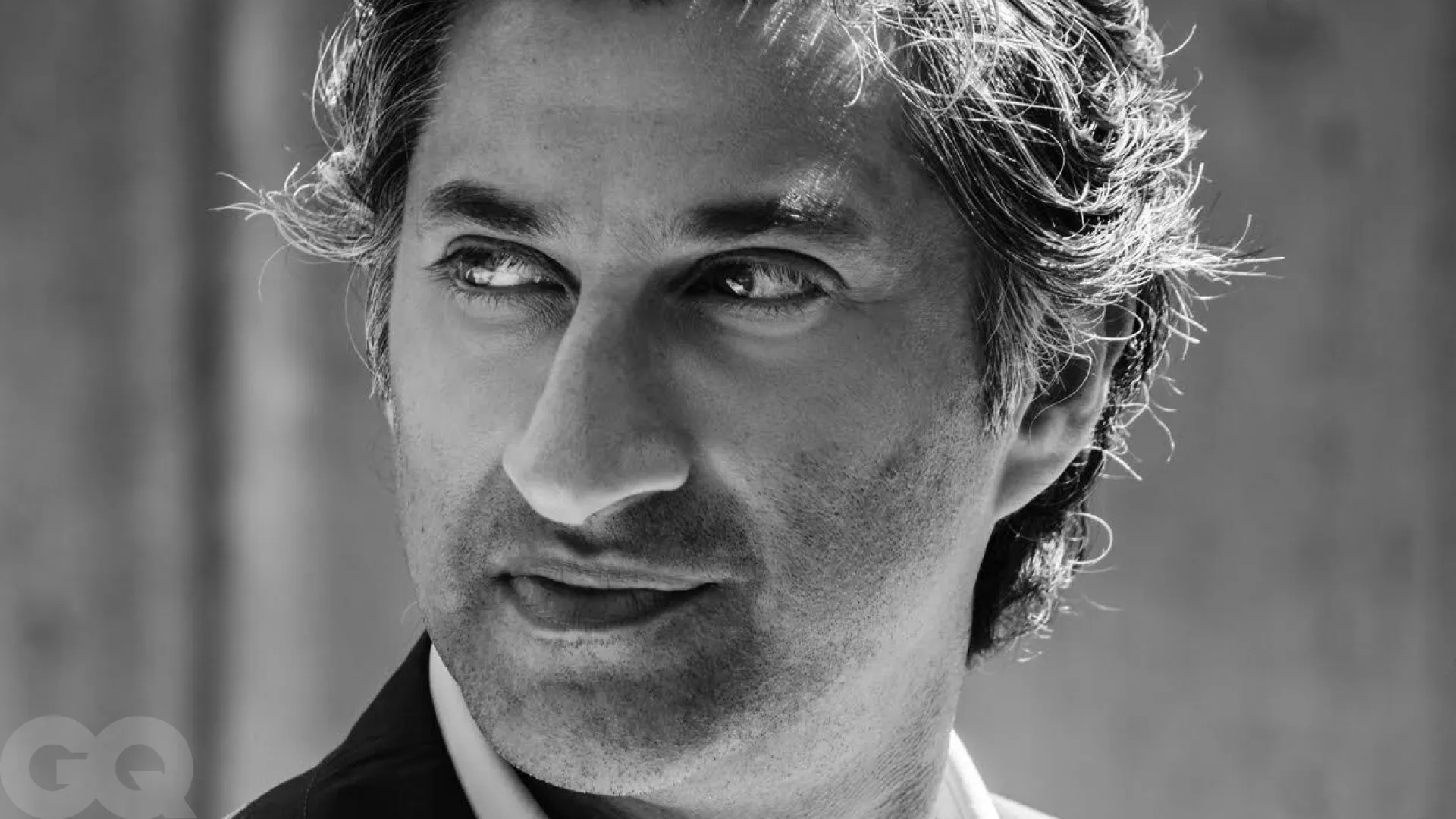
Ethics have always played a central role in the filmmaking of Asif Kapadia. His decision to construct narratives entirely from archival material raises questions of representation, privacy, and responsibility. Rather than avoid these challenges, he has consistently addressed them through a measured process of research, editing, and trust-building. This ethical foundation has distinguished his work and contributed to the depth of engagement audiences experience with his films.
In Amy, ethical choices were particularly visible. Amy Winehouse’s life had been consumed by media attention during her career, and Asif Kapadia faced the dilemma of retelling her story without replicating the exploitation she endured. By carefully curating home videos, recorded messages, and testimonies, he allowed her voice and artistry to emerge with dignity. His decision to include her lyrics on screen was not just a stylistic flourish but an ethical stance, ensuring that viewers heard her words directly rather than filtered through tabloid headlines.
The same concerns guided Senna. Archival footage of Ayrton Senna’s fatal accident required restraint in order to avoid sensationalism. Asif Kapadia constructed the sequence with subtle shifts between crowd reactions, communications, and race footage, avoiding gratuitous imagery. This approach underscored respect for both the subject and the audience. It demonstrated how ethical filmmaking could balance narrative intensity with sensitivity to the pain surrounding tragedy.
Diego Maradona further emphasized the complexities of ethical representation. The footballer’s life was filled with contradictions—adoration, scandal, triumph, and decline. Rather than reduce him to a simple hero or villain, Asif Kapadia allowed the archival record to reflect the nuances of his experience. The result was a film that resisted simplification and showed respect for the subject’s humanity, even amid chaos. Ethical responsibility was exercised not through omission but through a commitment to context and balance.
In 2073, the ethical stakes were heightened by the use of current footage to depict a speculative dystopian future. By recontextualizing images of protests, climate disasters, and authoritarian leaders, Asif Kapadia risked blurring fact and fiction. His solution was transparency in the filmmaking process, dividing editing between documentary and dramatized sequences and acknowledging the dual nature of the narrative. Ethical responsibility here meant reminding audiences that the imagined future is grounded in present reality, making the warning clear without misrepresenting the source material.
His interviews also reflect this ethical commitment. Many participants in his films, especially those close to Winehouse, expressed initial distrust of cameras and journalists. Asif Kapadia responded by offering flexible conditions: no immediate contracts, no cameras during initial conversations, and the opportunity for participants to approve their inclusion after viewing the edited film. This approach placed trust at the center of the process, ensuring that contributions were voluntary and respectful.
These decisions illustrate that the power of his films derives not only from technical innovation but also from ethical choices. By treating images as testimonies rather than commodities, Asif Kapadia has created works that resonate with honesty and care. His films remind audiences that representation is a responsibility, one that requires sensitivity to subjects, viewers, and the wider historical record. In this way, his filmmaking exemplifies how ethics and artistry can coexist at the highest level of documentary practice.
