
2
Few wardrobe frustrations match the sinking feeling of pulling your favorite pair of jeans out of the laundry basket, only to discover a thin, frayed patch forming right along the inner thighs. It always seems to happen to the best pairs—the ones with the most comfortable wash, the perfect vintage stretch, or the ideal mid-rise fit that you spent months breaking in.
Chafing and inner thigh blowouts are an inevitable reality of body movement and garment friction. When thighs rub together with every step, the constant mechanical stress slowly breaks down the cotton fibers of denim. Add sweat, friction, and repeated laundering into the mix, and those once-sturdy jeans begin to thin out, weaken, and eventually tear.
The good news is that you do not have to live in fear of ruining your denim rotation. Whether you are trying to rescue a pair that is already showing early signs of wear or looking to protect a brand-new pair before they ever touch pavement, a range of effective strategies can dramatically extend the life of your jeans.
Understanding Why Denim Blowouts Happen
To stop the destruction, it helps to understand the culprit. Denim is typically woven from cotton threads running horizontally and vertically. When your inner thighs brush against each other while walking, running, or climbing stairs, those intersecting threads experience abrasive friction.
Over time, this friction acts like a slow sandpapering effect. The outer layer of the yarn shaves away, the threads snap, and holes appear. This is especially common in stretch denim, which blends cotton with synthetic elastane or spandex. While stretch denim offers fantastic comfort and flexibility, the synthetic fibers can sometimes break down faster under persistent heat and friction compared to heavyweight, rigid 100 percent cotton.
Body shape and stride also play a role. Natural variations in anatomy mean that inner thigh contact is a normal, everyday reality for many people. Instead of trying to change how you walk, the most effective approach focuses on reinforcing the fabric, reducing friction, and managing stress on the garment.
Preventive Measures for New or Intact Jeans
If your jeans are still in one piece, proactive care can delay or even prevent the dreaded blowout altogether. Taking a few minutes to reinforce high-friction areas before damage occurs is one of the smartest wardrobing investments you can make.
Iron-On Denim Patches
One of the most reliable preventative hacks involves applying a lightweight, iron-on denim patch to the inside of the inner thigh area before any thinning begins.
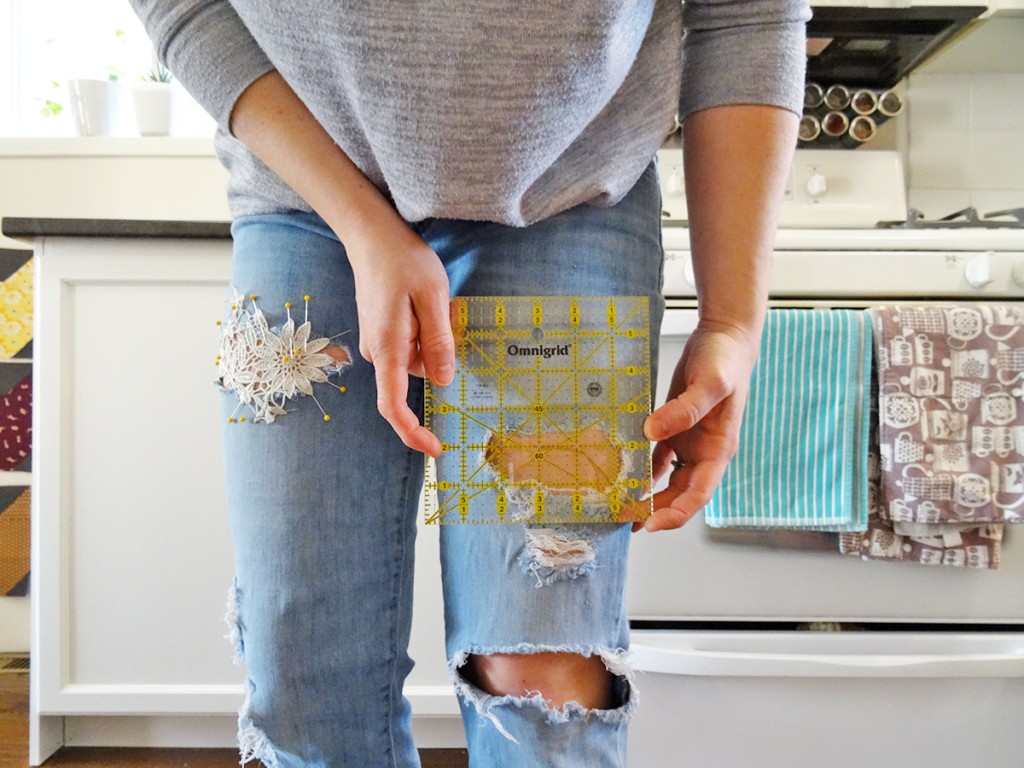
Turn your jeans inside out and lay them flat on an ironing board. Cut a patch of iron-on denim or heavy-duty fusible interfacing so that it comfortably covers the entire friction zone. Following the manufacturer’s heat settings, press the patch firmly onto the interior of the fabric using a hot iron with steam. The adhesive bonds the patch to the denim, adding an extra layer of structural support that absorbs the friction instead of your actual jeans.
Choosing the Right Detergents and Washing Habits
How you wash your jeans has a massive impact on thread integrity. Every time denim goes through a high-temperature wash cycle and a tumbling dry, the fibers weaken.
-
Skip the dryer: High heat degrades elastane and embrittles cotton fibers. Always air-dry your jeans by hanging them or laying them flat.
-
Wash less frequently: Denim does not need to be washed after every single wear. Spot clean when possible and air them out between uses.
-
Turn them inside out: Always zip up zippers, button buttons, and turn jeans inside out before washing to minimize surface abrasion against the drum of the machine.
Repairing and Rescuing Jeans That Have Started to Thin
If your jeans are already showing translucent patches or tiny holes, do not throw them in the trash. A worn-out spot can be successfully reinforced and given a second life if you catch it before the hole becomes massive.
The Art of Sashiko and Visible Mending
Visible mending has transitioned from a practical necessity into a major fashion statement. Sashiko, a traditional Japanese embroidery technique, uses running stitches to reinforce weakened fabric while adding striking geometric patterns.
Even if you prefer an invisible fix, the underlying principle remains the same: adding a backing fabric and securing it with dense stitching.
Machine Darning
If you have access to a sewing machine, machine darning is the gold standard for fixing inner thigh blowouts.
-
Select a matching thread: Find a cotton or polyester thread color that closely matches your denim wash.
-
Apply a backing patch: Place a scrap piece of similar denim or sturdier cotton fabric inside the jeans beneath the thin or torn area. Use fabric adhesive or pins to keep it secure.
-
Stitch back and forth: Set your sewing machine to a straight stitch. Lower the feed dogs if your machine allows, or simply guide the fabric manually. Sew forward and backward over the damaged area, moving side to side until the entire thin patch is densely covered in parallel lines of thread. This creates a brand-new, integrated textile matrix right over the weak spot.
Managing Friction From the Inside Out
Sometimes, protecting your jeans requires minimizing the friction that causes the wear in the first place. If your skin or inner thighs rub together intensely during movement, anti-chafing products can dramatically reduce the mechanical drag against your denim.
Anti-friction stick balms, specialized thigh bands, and breathable moisture-wicking undershorts create a smooth barrier between your legs. When your skin glides smoothly rather than sticking and pulling, the fabric of your jeans experiences significantly less tugging and stretching with every step.
When to Consult a Professional Tailor
If DIY repairs sound intimidating or if you are dealing with a luxury pair of designer denim that deserves expert handling, take them to a professional tailor or denim repair specialist.
Many local tailors and specialized online denim services offer professional darning using industrial machines specifically calibrated for heavy fabrics. They can match thread weights and colors with astonishing precision, making the repair virtually invisible from the outside while restoring structural integrity. The cost of a professional inner thigh reinforcement is usually a fraction of the price of buying a brand-new pair of premium jeans.
Final Thoughts
Thigh rub is a completely normal physical phenomenon, but it does not have to mean a short lifespan for your favorite wardrobe staples. By combining preventative reinforcement, smart laundry habits, and timely repairs, you can keep your denim rotation strong, comfortable, and ready for daily wear year after year.
